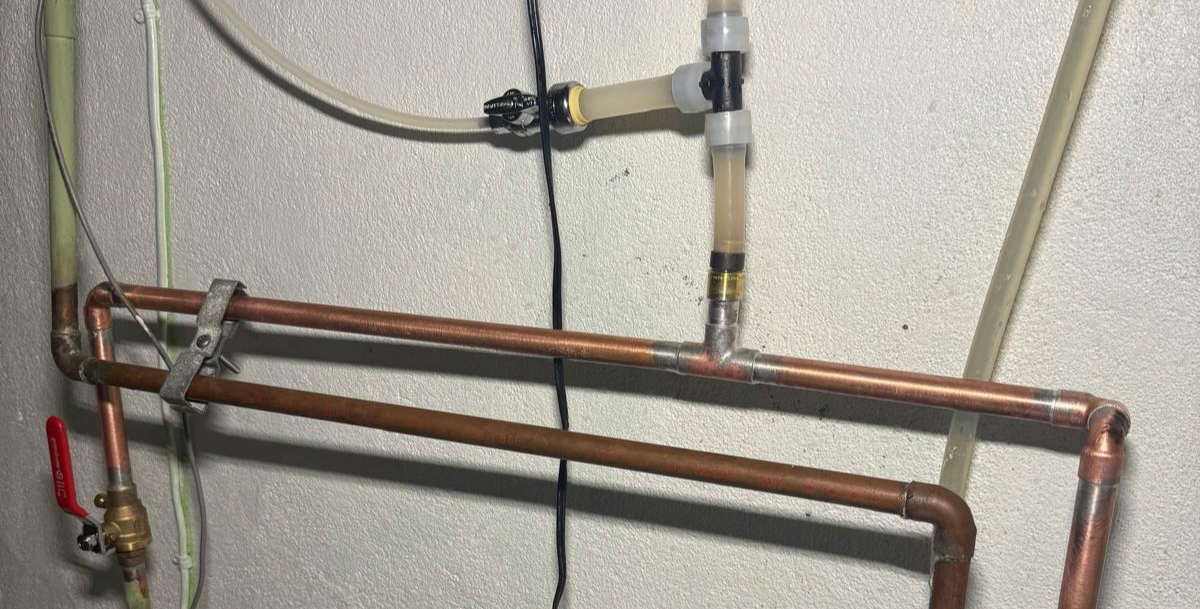
The role of the drain line is to ensure that water is drained safely away from your home. This means that all the water draining from your sinks, toilets, showers, and other appliances is done efficiently without any leaks or damage to the appliances. The different types of drain lines used depend on the plumbing system used, the position of the water pipes, and the kind of water draining away from the home.
The process of installing a drain line requires planning, materials, and proper alignment of the water pipes to ensure efficiency in the flow of water. Though some processes of installing a drain line are easy and require no expertise, some require a plumber to ensure efficiency. The different types of drain lines used are essential for a homeowner to know so that they can keep their plumbing system functioning properly. A homeowner can also know when to call a plumber for their services.
Understanding Drain Line Installation in Residential Plumbing
The installation of the drain line is an important part of Residential Plumbing. This is to ensure that water is properly drained from your home. Every sink, shower, toilet, and appliance is connected to a network of drain lines. This network of drain lines is responsible for carrying water to the sewer line or the septic tank. The drain line is properly installed to ensure that no leaks are experienced, nor any stinky odors.
The drain lines are usually installed with a slant so that gravity can pull the water through the drain lines. The materials used to create the drain lines are usually PVC or ABS pipes. The materials are strong, resistant to corrosion, and usually the best to use to create the drain lines because they are safe for use within the home plumbing system.
How to Install a New Drain Into Existing Sewer Lines
When a new drain is installed within the existing Sewer Line, a lot of planning must go into the installation of the drain so that it can work efficiently without interfering with the existing plumbing system within the home. This is usually necessary when installing a new fixture, remodeling a bathroom or kitchen, or extending the existing plumbing system within a home.
First, the sewer line must be located, and a point must be identified where a new drain can be installed within the sewer line. The sewer line must then be cut, and a fitting, which can be a wye or a tee, must be installed so that a new drain line can be installed within the sewer line. The new line must then be installed so that it can slope correctly so that water can flow smoothly into the sewer line.
When the connection is made, the connection must then be sealed so that it can be tested for any leaks and water flow. This ensures the efficiency of the sewer system, which can prevent any drainage problems from occurring within the sewer line in the future.
How to Install a Dishwasher Drain Line
The installation of a dishwasher drain line is an essential procedure that ensures the safe draining of wastewater from the dishwasher. The dishwasher drain line connects the dishwasher to the kitchen sink drain or the garbage disposal unit. This ensures that the dirty water drains away after the wash. This procedure ensures the safe draining of the dirty water without leaking or the water flowing back to the dishwasher.
The drain hose is usually attached to the dishwasher outlet. The drain hose is usually directed to the kitchen sink drain or the garbage disposal unit. The installation of the drain hose is essential to ensure the smooth draining of the water without any form of interference or leakage.
Where Should a Dishwasher Drain Line Be Installed?
The dishwasher drain line is usually connected to the kitchen sink. The dishwasher drain line is usually located under the kitchen sink. The dishwasher drain line is usually connected to the kitchen sink drain pipe or the garbage disposal unit. The hose is usually arranged in a high loop under the countertop. This ensures that the dirty water does not flow back to the dishwasher.
How to Install a Washing Machine Drain Line
It is, therefore, essential to install a washing machine drain line that will ensure the safe draining of the wastewater from the washing machine. This is usually achieved by connecting a standpipe that will drain the wastewater.
In most cases, the drain hose of the washing machine is inserted into the standpipe. The standpipe is then placed in its position. However, it is important to ensure that the standpipe is placed at an appropriate height. This will ensure that the wastewater drains appropriately without any possibility of flowing back to the washing machine.
In addition to that, it is important to ensure that the pipe is properly connected to the drainage system. This will ensure that the wastewater drains appropriately without any possibility of clogging or overflowing.
How to Install a Drain Line for a Water Softener
Installation of a drain line for a Water Softner is an important aspect of the installation of a Water Softner system in a house. A water softener removes salt and minerals from the system during the regeneration process. A drain line is a pipe that removes wastewater from the system to the drainage system in a house.
In most cases, a drain line is attached to a drain port on a water softener. The drain line is then attached to a nearby floor drain or a utility sink. The drain line is then attached to a standpipe. However, it is important to ensure that the drain line is properly secured to its position. This will ensure that the water drains appropriately without any possibilities of backflow or leakage to the drainage system. In most cases, an air gap is included in the system for safety purposes. This will ensure that the wastewater does not flow back to the water softener.
It is worth noting that the correct installation of a water softener will ensure efficiency in a system, as well as prevent drainage system problems in a house. In cases where a system is complex and involves making new plumbing connections, a plumber will ensure a safe installation of a drain line.
How to Install a Sump Pump Drain Line
The Installation of a Sump Pump Drain Line is a key component that helps in the diversion of excess water from the basement of your home. The Sump Pump System collects water from the Sump Pit and pumps the water through the Drain Line into a safe place away from the home. This helps in ensuring that the basement does not get flooded, and the foundation of the home does not get damaged due to water accumulation.
The Drain Line is connected to the outlet end of the Sump Pump. The line goes out from the basement or crawl space wall and directs the water away from the home. The line is installed in a way that the water flows away from the home’s foundation rather than flowing back towards the home’s foundation. Sometimes, a check valve is also connected along with the Drain Line to prevent water from flowing back into the Sump Pit.
The connection of the Drain Line to the Sump Pump, along with the direction of the line towards a drainage area, helps in ensuring that the Sump Pump System works efficiently by keeping the basement dry.
How to Install an AC or Condensate Drain Line
The AC or Condensate Drain Line is used for draining the moisture from your air conditioner. When the AC works to cool the air in your home, condensation occurs.
To correctly install an AC condensate drain line, a small PVC pipe should be connected to the outlet end of the air conditioning system’s drain. The PVC pipe should be connected in such a way that it is directed towards an appropriate place for draining. The PVC pipe should be installed at an angle to allow for the natural flow of water through the PVC pipe.
How to Install a PVC Drain Line
The process of installing a PVC drain line is an important process in plumbing. PVC pipes are very strong and lightweight and do not corrode easily. PVC pipes can be effectively used for a plumbing system in a household for draining wastewater from different sources. The process of installing a PVC drain line begins by measuring and cutting a PVC pipe to the required length.
The cut ends of the PVC pipes should be connected in such a way that they do not leak during the draining process. The PVC pipes should be installed in such a way that they are slightly sloped towards the ground to allow for the smooth flow of wastewater through the PVC pipes. Before completing the process of installing a PVC drain line, the PVC pipes should be fixed in such a way that they do not leak during the draining process. A PVC drain line can be an effective solution for a household plumbing system.
How to Install a French Drain
French Drain Installation is a way of redirecting water from your yard or foundation. The first step in French Drain Installation is digging a trench in the area where water is accumulating. Then a layer of gravel is added to the area. After that, a pipe is added that will allow water to flow through it.
Finally, the pipe is covered by a layer of gravel that will prevent dirt from accumulating in the pipe. After French Drain Installation, it will help in improving drainage for your yard. This will help in protecting your home from water accumulation that may end up damaging your home’s foundation.
If you want to dive deeper & know everything about french drain, click on the link to learn more.
When to Call a Professional for Drain Line Installation
While minor drain line installations may be easy, there are instances that may require a professional plumber’s expertise. This is especially true if you are installing a drain line that needs to be connected to a main sewer line or if you are working with underground pipes or if you need to make changes to existing plumbing systems. Incorrect drain line installations may end up leaking or even damaging your plumbing system in the future.
You may also need a professional’s help if you are installing drain lines for appliances, a sump pump, or an outdoor drainage system, as the slope of the line is important for the proper functioning of the system. A professional plumber will ensure that your drain line is installed correctly, safely, and efficiently.
If you are in need of good service, you can contact Bos Plumbing, which is renowned for offering some of the best Drain Line Installation services in Canada. They have a team of professional plumbers who ensure proper installations, quality workmanship, and durable plumbing services for your residential or commercial property.
FAQs
Can I install a drain line myself?
Yes, it is possible to install a drain line yourself. However, it is recommended that you seek the services of a plumber for complex installations that may be involved.
Do drain lines need to follow plumbing code?
Yes, drain lines must follow the local plumbing code. This ensures that the pipes are correctly sized for the water that will be flowing through them.
What happens if a drain line is installed incorrectly?
If a drain line is installed incorrectly, it may result in leaks, slow draining, clogging of the drain, or even water damage. Therefore, it is important to ensure that the drain line is correctly installed to ensure that the water is able to flow smoothly.