
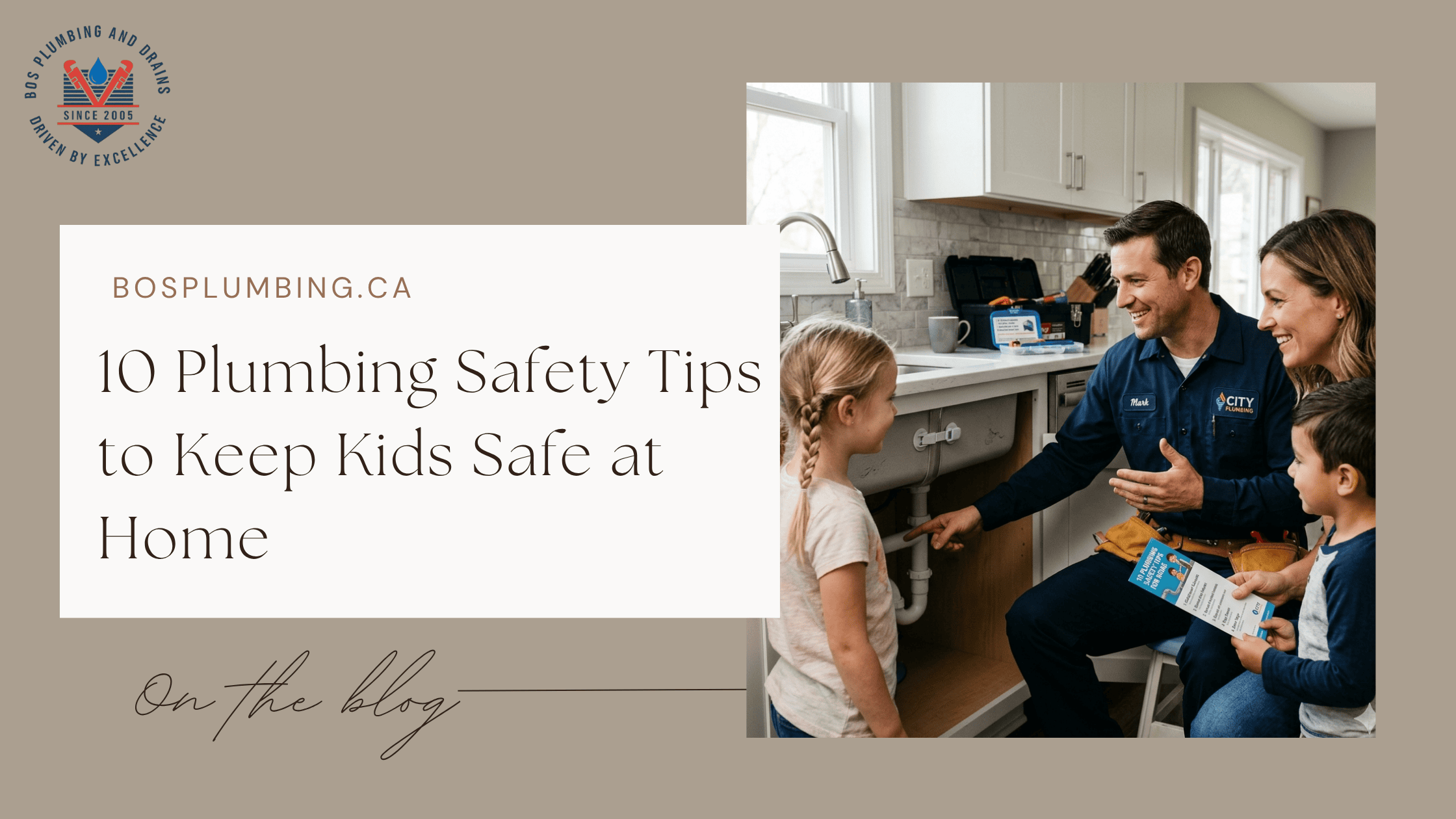
As a parent you have most likely childproofed the most apparent stuff outlet covers, cabinet locks, stair gates. However, what of your plumbing system? The cold winters, the pre-existing houses and the daily curiosity of the people in Canada make the household plumbing system one of the least considered risks in a family house.
The possibilities are scalding water and mold due to the existence of an unknown leak, all the dangers are very real and preventable. If you have a toddler scurrying all over the place or your school-age kids are old enough to be home alone after school, these 10 tips can be put into practice to ensure that your family stays safe and your house plumbing is maintained.
Why Plumbing Safety Matters in Homes with Kids
It is time to have children at home and you are busy with it when it becomes all of a sudden a hazardous situation. One of the least thought-of, but most utilized aspects of home safety is your household plumbing system.
Children are exposed to plumbing at all times. They clean their hands, play with taps, flush toilets and even treat sinks like toys. These normal activities may cause damage or injury without adequate protection.
Unlike adults, children don’t understand risks like:
- Sudden hot water bursts from taps
- Slippery bathroom floors
- Sharp or exposed plumbing fixtures
- Hidden leaks or unstable fittings
Even a simple problem in your house plumbing system such as a loose faucet or slow leak can develop into a safety problem when left unattended.
The risks are even greater in Canadian homes because of seasonal changes. Pipes may also freeze and swell in the process of winter, exposing them to the risk of getting cracks or broken pipes. During spring, the melting snow may overstretch drainage systems causing leakage or flooding of basements.
Aging infrastructure is another issue that has not been taken into account. The GTA has a large number of homes with older plumbing systems which take up regular plumbing repairs and maintenance. These systems may break down unexpectedly unless they are maintained on a regular basis.
This is why active treatment is necessary. Conducted regularly by a certified house plumber or plumbing company, regular inspections can be used to identify risks in time and ensure that your home is safe to children.
Tip 1: Set Your Water Heater to a Safe Temperature
Scalding by hot tap water is one of the most frequent and the most avoidable causes of childhood burns in the home. It is easy to fix: turn down your water heater to 49°C (120°F) or less.
It is the default setting of many Canadian homes to have water heaters at a higher setting. Scalding can occur within five seconds at temperatures higher than 60°C. Another measure of protection is to have an anti-scald mixing valve installed on your taps, particularly in the bathrooms frequented by small children.
Tip 2: Know Where Your Main Water Shutoff Is and Teach Older Kids Too
When a pipe breaks or a toilet is overflowing, a second is all you have. Learning to turn off the main water supply to your home could be a small inconvenience or a flood that would cost you thousands of dollars to repair your home.
The main shutoff in the majority of Canadian homes is situated in the basement close to the front wall. Ensure that you and your older children are privy of its whereabouts and how to switch it off. This takes the first thing before you call a 24 hour plumber in case of a plumbing emergency.
Tip 3: Teach Kids What Should (and Shouldn’t) Go Down the Toilet
This is a time old parenting dilemma. Children like to explore, and toilets are eternally intriguing to toddlers. The result? Toy, wipes, cotton balls and everything that is not a part of your plumbing system will create a nasty clog.
Educate your children at a young age: The only things that should be in the toilet are waste and toilet paper. This is a basic guideline that will save your residential plumbing and will not require a call to emergency plumbing repairs at the most inappropriate time.
Tip 4: Lock or Secure Under-Sink Cabinets
The majority of homeowners keep cleaning products, drain cleaners, and chemicals under kitchen and bathroom sinks. These are very hazardous in the possession of an inquisitive child. It’s just that the other reason to lock up those cabinets is the pipes.
Children who have access to the drain can dislodge a drain connection or break supply lines. Even a minor leak in that area may remain unnoticed weeks later causing the growth of moulds and structural damages. Install childproof locks on cabinets and test those connections after a few months, which are the things that should be included in your home maintenance schedule.
Tip 5: Fix Leaks and Broken Pipes Promptly Don’t Wait
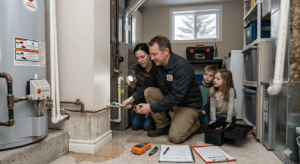
A leaky sink or a dripping tap could be a minor issue. However, in the case of families with small children, then it is urgent. Stagnant water and incessant moisture form mould and mould spores that are not visible to an adult and even more so to children who may be playing on the floor.
Leaks, which are not resolved and broken pipes also reduce the strength of the flooring and walls in the long run exposing them to slip and fall risks. When you see wet walls, bowed floors or a stuffy odor do not hesitate. Get plumbing repair done quickly. The later you do it, the higher its cost.
Tip 6: Create a No-Go Zone Around the Water Heater
Your water heater is not a storage shelf, or even a playroom. It can be a big fire risk with items that are combustible, such as toys, craft supplies, paint, or seasonal decorations, stored nearby.
Have definite limits with your children regarding the utility area. Install a latch or safety gate in case your water heater is located in an area that can be accessed such as a basement or a closet in a hall. This is an easy measure that is not taken by most Canadian families until when something goes amiss.
Tip 7: Don’t Let Kids Play Near Outdoor Taps or Exposed Pipes
During spring and summer, there can be outdoor taps and garden hoses that appear to be great water play options. However, unattended play in and around exterior plumbing can cause accidents such as floods caused by a hose left running or a tap on and left unattended.
During winter, pipes that lack proper insulation get a chance of freezing and bursting particularly in areas such as Hamilton, Niagara and other areas in the GTA that experience severe cold snaps. Train children not to touch outside plumbing, and wrap all open pipes, before the cold weather arrives.
Tip 8: Check for Mould and Hidden Moisture Regularly

Children are very sensitive to mold, particularly those who are asthmatic or sensitive to respiratory illnesses. And it nearly always begins with a plumbing problem: a slow leak behind a wall or condensation under a sink or moisture around a toilet base.
Also, in your seasonal home maintenance routine, a quick inspection of every bathroom, kitchen and your basement. Keep an eye out on discolouration on walls or ceilings, a damp smell or soft spots on the floor. In case of finding something, make a call to a plumbing service that will determine the source of the leak before it extends.
Tip 9: Keep Drain Covers Secure in Bathtubs
Very young children are surprised to encounter bathtub drains as a hazard. Hair, small toys and fingers may be trapped in open drains and getting a stuck object out of a drain may sometimes necessitate plumbing repair when the object pushes further into the pipe.
Use a secure drain cover that will not easily pop off during bath time and always keep a close eye on the young children in the tub. Do not leave a child under 5 to himself in the bath, even a moment.
Tip 10: Schedule Annual Plumbing Inspections
The most effective means to avoid plumbing emergencies in the presence of kids is to stop issues before they occur. A licensed house plumber’s annual inspection provides you with a good picture of the health of your house plumbing, including water pressure, condition of your pipes, and performance of your water heater.
The inspection is particularly significant when your house is older or when you have noticed some warning signs, such as slow drains, low water pressure, and discoloured water. It is a good idea to be proactive and guard your family and your investment.
Essential Plumbing Safety Checklist for Homes With Kids
- Set water heater below 49°C (120°F) to prevent burns
- Fix leaks and broken pipes immediately
- Inspect your household plumbing regularly
- Install child locks on toilets and under-sink cabinets
- Keep cleaning chemicals out of reach
- Avoid chemical cleaners; use professional plumbing service
- Cover hot and exposed pipes to prevent injuries
- Use anti-slip mats in bathrooms and kitchens
- Keep floors dry to avoid slips and falls
- Teach kids safe use of sinks, toilets, and drains
- Do not leave children unattended near water fixtures
- Check for hidden leaks, mold, or damp areas
- Test sump pump before heavy rain or snowmelt
- Know your main water shut-off valve location
- Watch for warning signs like slow drains or noises
- Call a local emergency plumber for leaks or flooding
- Keep a 24 hour plumber contact ready for emergencies
Trust BOS Plumbing & Drains to Keep Your Family Safe
At BOS Plumbing and Drains, we understand that when your plumbing of your house goes bad particularly when there are children in the house you require quick, dependable assistance. Having more than 20 years of experience of working with families throughout the GTA, we know what it requires to make your plumbing system safe, efficient, and family-friendly.
We are your local emergency plumber 24/7 and provide full residential plumbing services such as inspections, plumbing repair, leakage, maintenance of water heaters and a lot more. Our licensed team is quick to respond, whether it is routine maintenance or emergency response, and do the job right the first time.
We have the following proud locations: GTA | Mississauga | Oakville | Hamilton | Milton | Niagara.
Do not allow a little issue to turn into a safety concern. Call BOS Plumbing and Drains now and provide peace of mind to your family.
FAQs
1. What temperature should I set my water heater to keep kids safe?
Set your water heater to 49°C (120°F) or lower. At higher temperatures, tap water can cause scalding burns in seconds. Installing an anti-scald valve on bathroom taps adds extra protection for young children.
2. How do I childproof my bathroom plumbing?
Start with a toilet lock to prevent drowning risks for toddlers, secure under-sink cabinets, set a safe water heater temperature, and use a secure drain cover in the tub. Teach older children what they can and cannot flush down the toilet.
3. What should I do if a pipe bursts when kids are home?
First, keep kids away from the affected area. Then shut off the main water supply immediately. Call a local emergency plumber right away, don’t attempt to fix burst pipes yourself. Burst pipe repair requires professional tools and expertise to avoid further water damage.
4. How often should I have my home plumbing inspected?
Once a year is a good baseline for most Canadian homeowners. If your home is older than 25–30 years or you’ve noticed any changes in water pressure, water colour, or drainage speed, book an inspection sooner. A plumbing company with experience in residential plumbing can catch hidden issues early.
5. Is mold in the bathroom always a plumbing problem?
Not always poor ventilation is a common cause. But if mould keeps coming back despite cleaning and ventilation, there’s likely a hidden moisture source, often a slow leak in the wall or under the floor. This needs plumbing repair before the mold issue can be fully resolved.