
So you’ve got the keys. Welcome to one of the largest investments of your lifetime.
But there’s one thing no one ever tells you: when something starts leaking, backing up or just plain breaks, it’s your problem. Could not reach the landlord. No super to buzz. You’re alone with a slowly expanding puddle.
The good news? There are lots of plumbing disasters that can be avoided. Oakville plumbers, Mississauga plumbers, Milton plumbers, Brampton plumbers, Etobicoke plumbers, Niagara plumbers, plumbers in Cambridge, and anywhere in the GTA, you have some of the best local plumbers in your area like BOS Plumbing and Drains, who have been working to keep the homes in the GTA in shape for more than 20 years.
However, before you have to call anyone, here are 10 plumbing maintenance tips every new Canadian homeowner should know.
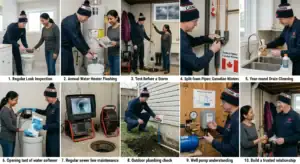
1. Inspect Your Home Regularly for Plumbing Leaks
A small plumbing leak pipe can go unnoticed, but a slow drip can lead to a substantial loss of water and cause undetected damage behind walls, beneath flooring or in cabinets.
Regularly check:
Make it a habit to inspect:
- Kitchen and bathroom faucets
- Under-sink plumbing connections
- Toilet bases
- Exposed pipes in basements
- Laundry room connections
Look for water stains, mould growth, damp spots, musty odours and high water bills that are occurring for no reason.
If you do see leakage, make sure that you do the plumbing leak repair as soon as you can. The longer repairs are delayed, the more serious issues that may arise and the more expensive the restoration will be.
How Do I Know If I Have A Hidden Plumbing Leak?
Hidden leaks might be discovered through higher utility expenses, lower water pressure, mould growth, peeling paint, or moist spots around walls and ceilings. Before serious damage, a professional leak detection can help to determine a leak’s source.
2. Flush and Service Your Water Heater Annually
Your water heater is one of the hardest-working appliances in your home. In many Canadian homes, minerals naturally found in water settle at the bottom of the tank over time.
Without regular maintenance, sediment buildup can:
- Reduce efficiency
- Increase energy costs
- Shorten equipment lifespan
- Lead to unexpected breakdowns
Routine water heater maintenance includes flushing the tank, inspecting safety components, checking for corrosion, and ensuring proper operation.
Homeowners should also watch for signs that indicate water heater repair may be needed, including:
- Inconsistent hot water
- Strange noises
- Rust-coloured water
- Water pooling around the unit
How Often Should A Water Heater Be Serviced In Canada?
Most plumbing professionals recommend annual inspections and flushing to maintain efficiency and prevent premature failure.
3. Test Your Sump Pump Before Storm Season
Basement flooding is a common concern throughout Southern Ontario. Heavy rainfall, spring snowmelt, and severe storms can place significant strain on drainage systems.
A properly functioning sump pump helps remove excess groundwater before it enters your basement.
Regular sump pump maintenance should include:
- Testing the float switch
- Cleaning the pit
- Checking discharge lines
- Verifying backup power systems
If your sump pump cycles constantly, makes unusual noises, or fails to remove water effectively, you may need professional sump pump repair.
How Can I Tell If My Sump Pump Is Working Properly?
Pour a bucket of water into the sump pit. The pump should activate automatically and remove the water efficiently. If it doesn’t, schedule an inspection immediately.
4. Protect Pipes During Canadian Winters
Canadian winters can be extremely hard on residential plumbing systems. Frozen pipes remain one of the leading causes of emergency plumbing calls during cold weather.
When water freezes inside pipes, it expands and can cause pipes to burst, leading to extensive property damage.
Prevent frozen pipes by:
- Insulating exposed pipes
- Keeping garage doors closed
- Maintaining indoor temperatures
- Disconnecting outdoor hoses
- Sealing drafts near plumbing lines
These simple preventive measures can help avoid costly emergency repairs and water damage.
At What Temperature Do Pipes Freeze In Canada?
Pipes become vulnerable when temperatures remain below 0°C, especially if they are poorly insulated or located in unheated spaces.
5. Keep Drains Clean Throughout the Year
If you have slow drains, it is likely that you will have bigger plumbing problems. Debris, food, soap residue, hair and grease can all be a build up and cause restricted water flow over time.
To keep drains in good condition:
- Avoid pouring grease down sinks
- Use drain strainers
- Flush drains periodically with hot water
- Dispose of food waste properly
Outdoor drainage systems must be attended as well. Frequent storm drain cleaning keep the water from pooling around the house, and they decrease the chances of flooding during a big rain.
Professional drain cleaning will be able to unclog clogs that aren’t going to cause damage to the pipes and backup.
What Is The Best Way To Keep Household Drains Clear?
The best way to solve the problem is to carry out preventive maintenance. Do not put in material which could cause clogs and have your drains professionally cleaned every few years if needed.
6. Check and Maintain Your Water Softener
Many communities throughout Ontario experience hard water. Hard water contains elevated levels of minerals that can leave scale buildup inside pipes, fixtures, and appliances.
When sediment accumulates it can:
- Improve water quality
- Extend appliance lifespan
- Reduce scale buildup
- Increase plumbing efficiency
Homeowners should monitor salt levels regularly and schedule routine inspections.
Signs you may need water softener repair include:
- White residue on fixtures
- Reduced soap effectiveness
- Hard water spots on dishes
- Decreased water softness
How Do I Know If My Water Softener Needs Repair?
If your water begins exhibiting hard water symptoms despite having a water softener installed, it may require professional servicing.
7. Schedule Regular Sewer Line Maintenance
Most homeowners don’t think about their underground sewer lines until they have an issue. But tree roots, grease accumulation, soil movement, and old pipes are all potential problems with sewer lines.
Regular sewer line maintenance can be useful in detecting issues in advance of them becoming crisis situations.
Benefits include:
- Reduced risk of backups
- Improved drainage performance
- Early detection of damage
- Extended sewer system lifespan
Warning signs of sewer issues include multiple drain backups, foul odours, gurgling sounds, and slow drainage throughout the home.
How Often Should Sewer Lines Be Inspected?
Professional inspections are beneficial to most homeowners, particularly those with older plumbing or mature trees.
8. Inspect Outdoor Plumbing and Water Lines
Outdoor plumbing is often exposed to harsh Canadian weather conditions. External faucets, hose bibbs, irrigation systems and underground water lines can become worn due to seasonal temperature fluctuations.
At least twice a year, inspect:
- Outdoor faucets
- Garden hose connections
- Sprinkler systems
- Visible exterior pipes
- Water meter areas
Check for leaks, corrosion, cracks or puddles near your home.
Leaving minor problems unaddressed may lead to expensive water line repair jobs. If they are detected before, the homeowner can fix the issue before it impacts the water pressure or property.
Why Is My Outdoor Faucet Leaking?
The typical reasons for leaking outdoor faucets include a leaky water supply hose, damaged faucet washer or seal, loose connections or winter freeze damage.
9. Understand Your Well Pump System (If Applicable)
Private water wells are found in some rural and semi-rural properties in the GTA, while others are on municipal systems.
With a well water system, it is essential to maintain it properly to ensure that you have water available when you need it.
Pay attention to:
- Water pressure changes
- Unusual noises
- Air sputtering from faucets
- Increased electricity usage
- Frequent pump cycling
These symptoms may indicate the need for well pumps repair.
Regular inspections may help detect mechanical wear prior to total system failure. When you are serviced by a professional, you are assured of safe and reliable water in your home.
How Long Do Well Pumps Typically Last?
The life of the well pump ranges from 8 to 15 years depending on usage, water quality, maintenance procedures and pump quality.
10. Build a Relationship With a Trusted Plumbing Professional
Being a new homeowner, one of the most intelligent moves you can make is to get a trustworthy plumber before you need them.
There are a number of advantages to an established relationship with experienced local plumbers:
- Faster response times
- Preventive inspections
- Expert recommendations
- Reduced stress during emergencies
- Long-term plumbing planning
A reliable home plumber can assist you to maintain the efficiency of your residential plumbing system, whether you need routine maintenance or urgent repairs.
A business can also enjoy the advantages of having an expert commercial plumber to keep their facilities in good working order and avoid expensive downtimes.
What Does Regular Plumbing Maintenance Actually Involve?
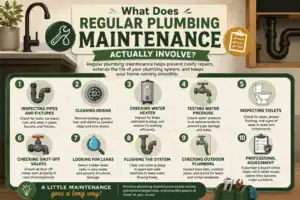
Most homeowners ask this when they’re starting out. Here’s a simple checklist you can follow seasonally:
- Monthly: Check under sinks for moisture. Test your sump pump. Look for dripping faucets.
- Every 6 months: Flush your water heater. Test toilet for leaks. Clear slow drains.
- Annually: Full plumbing system inspection. Check water softener. Inspect sewer line if your home is older than 15 years.
How Do I Know If I Need An Emergency Plumber?
Hot water, sewage backup, flooding, if you have an active plumbing leak, don’t wait. Things get harder, and more costly, by the hour in those situations. Call a same day plumber or 24 hour plumber immediately.
If the problem are slower to develop (low pressure, occasional clogs), it is okay if it is scheduled for a non-emergency appointment in a few days. However, do not “bump” it continually. Most of the time, there is no easy way to solve minor plumbing problems.
Contact an emergency plumber immediately if you experience:
- Burst pipes
- Major water leaks
- Sewer backups
- Basement flooding
- No running water
- Water heater failure during winter
- Significant drain backups
Why Professional Plumbing Maintenance Is Worth the Investment
Practically every household member tries to resolve their own plumbing concerns. Simple upkeep is essential but sometimes professionals can discover issues that are not easily discernible by the typical homeowner.
A professional plumber can:
- Detect hidden leaks
- Evaluate pipe condition
- Inspect water heaters
- Test sump pumps
- Assess sewer lines
- Identify safety concerns
Regular professional plumbing maintenance helps avoid unexpected emergencies and extends the lifespan of your entire plumbing system.
Take charge of your machine and its maintenance, as opposed to hoping that it always works and a costly failure never occurs, and you will have peace of mind and long-term savings.
About BOS Plumbing and Drains
For more than 20 years BOS Plumbing and Drains has been helping homeowners in the GTA. Their service is provided in Mississauga, Oakville, Hamilton, Milton, Niagara, Cambridge, Brampton, Etobicoke and the whole GTA area, ranging from commercial plumbers to residential plumbers.
BOS has experienced technicians and a crew to take care of your water heater maintenance needs, sump pump repair, well pump repair, storm drain cleaning, waterline repair or any type of plumbing leak in the middle of the night! They’re the type of plumber GTA homeowners call and call back.
Looking for plumbers in Mississauga? Plumbers in Oakville? Already looking for plumbers near me and don’t know who to trust? BOS Plumbing and Drains is a worthwhile call to make.
Final Word
Canadian homeowners face challenges from hard water, freeze-thaw cycles, and aging infrastructure – all at once, in some cases. The people who don’t have to deal with the great big costly calamities are the ones who shovel the dirt on a regular basis.
Test the sump pump in the spring. Clear your water heater of sediment prior to winter. Always know where to find your shut-off valve before an event.
When it does go wrong, of course, it will make sure you’ve got a local plumber you trust on the speed dial.