
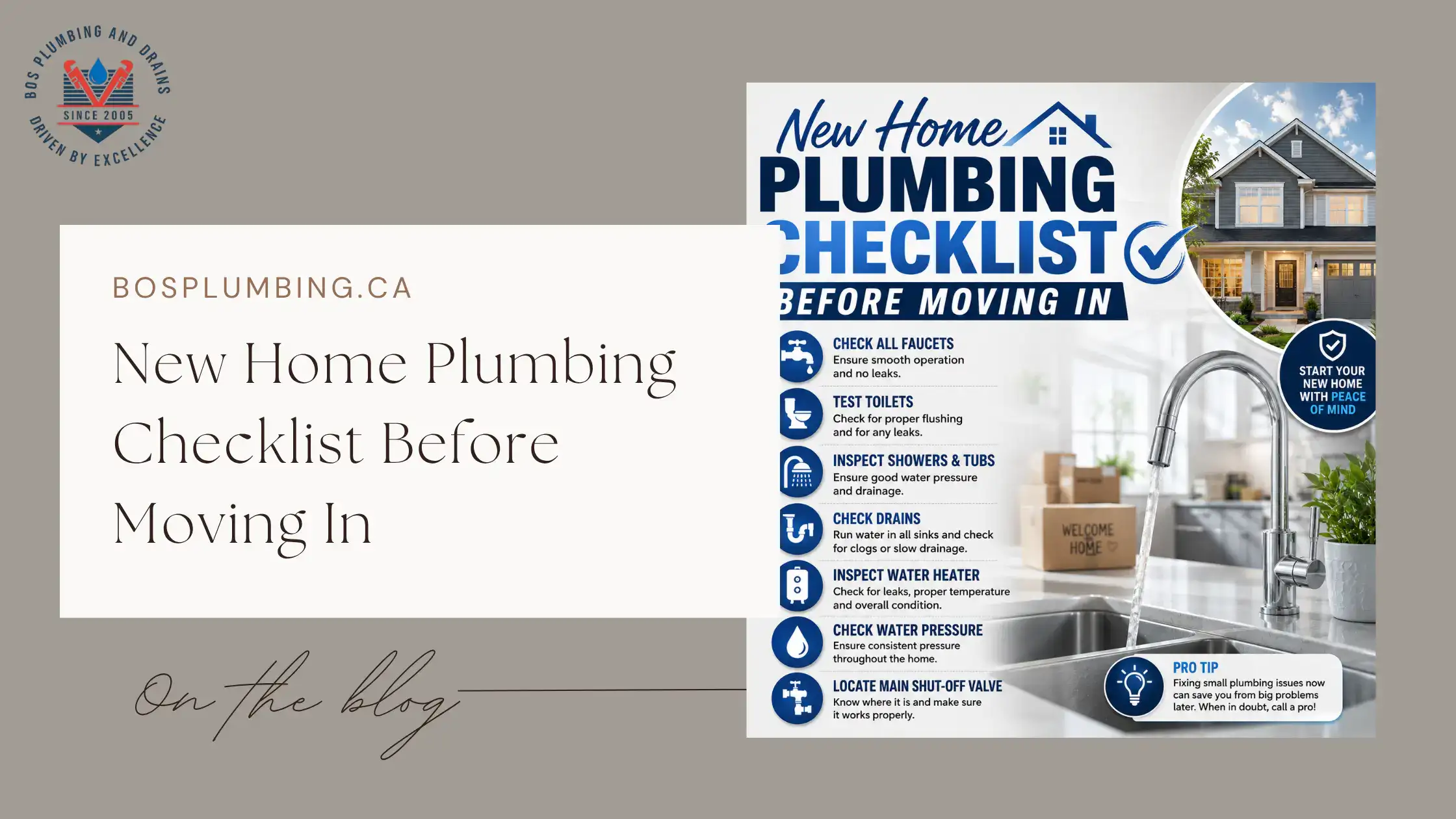
It’s a wonderful time to move into a new house. However, before you begin to unload the boxes, there’s something most Canadians overlook that can end up costing them thousands of dollars down the road: a proper home plumbing inspection.
Pipes are not welcome with a gift. They are accompanied with years of wear and tear, hidden leaks, and the occasional unexpected. In a place like this where winter is harsh and spring rains drive the water into the basement, you do not want to overlook your household plumbing.
This checklist will take you through all the areas to check before you move in, so you don’t wake up at midnight during your first week to hear a call from an Emergency Plumber.
Why Plumbing Inspections Matter More in Canada
Canadian homes are especially subjected to stress on plumbing systems. Drain pipes break during freeze-thaw periods. Groundwater flows into basements during the spring melt. Homes in the GTA with a service line built before the 1960s and 70s may still have galvanized steel or lead service lines.
When you are looking into a home in Mississauga, Oakville, Hamilton, Brampton or anywhere that falls into the Greater Toronto Area, you are likely to have a combination of older city infrastructure and newer residential construction. There are also problems with new construction plumbing such as venting concerns, sealed joints that are not discovered until a few weeks of operation, etc. New home plumbing checklist before moving in:

1. Check Every Faucet For Leaks And Pressure
Go room by room. Open all of the taps hot and cold. Check for leaks at the base of each faucet. Let the water flow for a minimum of 30 seconds and see if there are any water drops under the sink.
It might appear very little to have a bathroom faucet that drips. It isn’t. That little drip can be thousands of litres of water lost each year, and is an indicator of a failing valve seat or washer which will continue to fail rapidly.
Don’t forget to pay attention to water pressure either. A low pressure reading in one fixture is typically a clog at the fixture or corroded pipe. If the pressure is low in the entire home, it could indicate a serious issue with the main line or pressure regulator.
2. Inspect Every Drain In The House
Flush all sinks, tubs and showers. Time how long it takes to drain. One of the initial signs of a partial blockage will be if the washbasin or sink drain is slow. And a kitchen sink backup or kitchen sink clog on day one of moving in? This means that the previous owners left you a problem.
Inspect the stained areas, water rings and soft wood under sinks as these may be signs of an underlying plumber leak repair problem in the plumbing system that was never addressed. When you see that, call your house plumbing service near me before you even place dishes in the cupboard.
Remember the basement and laundry room floor drains. Fill each with a bucket of water to check if they are clear and working properly.
3. Test The Water Heater
Now, stride forward towards the water heater replacement candidate inside the house: the water heater itself. Look at the sticker on the side for its manufacture date. If it’s over 10 years old, plan to replace it in the near future.
Inspect base for rust or moisture. Check corrosion on drain pipes and pressure relief valve. Chances are that if you need to repair the water heater near me in your first month of living in the house, you didn’t see the trouble brewing during the home inspection.
Turn on the hot tap in the kitchen for one minute. Does it get properly hot? Basic temperatures that vary or hot water that is slow to recover should be noted before moving in.
4. Locate And Test The Main Water Shut-Off
This is the only thing most homeowners would find out if their pipes start to burst. Before the big problem arises, locate the main shut-off valve.
It is typically located near the front foundation wall of the house in the basement, where the city water line comes into the house. Rotate it all the way clockwise when closing and all the way anti-clockwise when opening. If it’s hard, corroded or cannot turn, it’s a definite task for plumbers service professionals. In the event of an emergency a valve that seizes up is no valve.
Record its location and teach your family where it is.
5. Inspect The Outdoor Faucets And Irrigation Connections
Every spring, there is an increase in exterior faucet repair calls throughout the GTA, as homeowners do not winterize their faucets in time for winter. Prior to moving in, inspect each point of the outside faucet for leaks, rust, or loose handles that rotate and don’t stop the water.
If the home has an outdoor irrigation system, find its shut-off and drain valve. A system not properly blown in before winter may have broken lines beneath the ground that will not be apparent until running in May.
6. Check For Signs Of Past Water Damage
Water stains on ceilings, walls, or around drain pipes are communicating. Moisture that has entered can be detected through brown rings, peeling paint or musty odors in closets or below-grade areas.
Be sure to check the space around the toilet base, underneath the dishwasher, and behind the washing machine. When the soft floor area is near the toilet, the wax seal is often leaking for a long time.
7. Look Into The Sump Pump Situation
A functional basement pump is a must have in most Canadian homes that have a basement. In places such as Milton, Cambridge or Etobicoke where flooding is a possibility in the springtime.
Test by pouring water into the sump pit. The float should activate the pump in 1-2 seconds. If it fails to start up, or sounds like it is grinding, the motor is in need of service or sump pump installation right away.
Inquire when the last time the property was serviced from the previous owner or your realtor. If your sump pump doesn’t have a maintenance log, it is a pump that you need to have serviced prior to your first rainy season.
8. Understand Your Backwater Valve And Floor Drain Protection
Among the most important house plumbing that is overlooked is backwater valves and back flow valves, in a home in Canada.
These valves are located on the sewer line that connects your home to the municipality and ensure that during the rainy season (usually several times per year in southern Ontario), the sewage does not flow back into your basement. Some cities, such as Mississauga and Brampton, provide rebates for backwater valves installation.
If you do not have one installed in the home you are moving into, discuss sump pump installation and backwater valve options with your licensed plumber. Plumbing cost are significantly less than sewage cleanup.
9. Test The Toilets And Look For Running Water
Remove the lid from all the toilets. After a flush, the flapper should move freely, without sticking.The flapper and fill valve should move freely after flushing. If the toilet is still running, the flapper is worn or the float is too high. Put a small amount of food colouring into the tank and allow it to sit for 10 minutes, without flushing. If the colour is seen in the bowl, it means you have a leak that you can’t hear.
In Ontario, a running toilet can cost $50–$100 monthly on top of your water usage bill. Simple plumber repair service call but important to catch if it adds up. .
10. Ask About Water Quality And Softener Systems
Hard water is a problem in the GTA, depending on the area you are relocating to. With hard water, pipes, water heaters, and appliances will develop scale over time. If you’re planning to move in, it’s worth discussing a water softener system for your home.
If the former owners had a water softener, check that it is working and that the brine tank has been refilled with salt. In case the home doesn’t have one, and you’re in an area of hard water, include the setup of one in your initial year’s plumbing cost (Hamilton and parts of Oakville are known for having hard water).
Is Plumbing Damage Covered by Home Insurance in Canada?
The majority of Canadian homeowners believe that their insurance policies will cover all types of plumbing problems, but this is not always the case. Coverage may be provided based on the cause of damage and if the problem was sudden or gradual.
Typically, most home insurance policies will cover you if your water damage occurs due to some sort of unforeseen plumbing problems, like a burst pipe, unexpected appliance leak or accidental overflow. But damage due to lack of maintenance, aging pipes or slow leaks is not typically covered.
If, for example, you have a pipe burst during freezing weather and your home is properly heated and maintained, your insurance company may cover the damage to the pipe. However, if this persistent faucet drip problem has led to mould and structural damage it may be denied due to the fact that it could have been avoided.
Another factor to keep in mind for Canadians is the coverage of sewer backup. Basement flooding due to a municipal sewer backup might not be covered by a standard insurance policy. There are many flood-prone areas in the GTA where additional coverage is required by many insurers for homeowners.
Before moving into a new home, review your insurance policy and confirm coverage for:
- Burst pipes
- Water damage from plumbing failures
- Sewer backup incidents
- Basement flooding
- Water heater leaks
- Sump pump failures
A professional inspection of your home plumbing system can help identify issues before they become costly repairs or insurance claim disputes.
Is Your Home’s Plumbing Ready? Consider a Professional Inspection
Going through this checklist yourself is a great start. But a licensed plumber will catch things a visual walkthrough misses: pressure drops behind walls, early signs of pipe corrosion, improper venting that’ll cause slow drains for years.
A pre-move-in plumbing inspection typically runs $150 to $300 in the GTA, which is nothing compared to an emergency drain repair call or water damage restoration bill that can run into tens of thousands.
How Does BOS Plumbing and Drains Help New Homeowners Across the GTA?
When moving into a new home, it’s an investment that you would want to make as safe as possible, and a trusted plumbing professional can help you avoid any surprises in your system and any potential water damage costs. BOS Plumbing and Drains have been in operation for more than 20 years, and are a trusted brand for home owners in the GTA.
We have a team of experts who know what issues Canadian homeowners are encountering with their plumbing, such as leaky pipes, old pipes, and basement flooding, water heater problems, etc. We offer comprehensive home plumbing system checks to reveal any issues that could turn into a costly crisis.
Homeowners choose BOS Plumbing and Drains because we offer:
- 20+ years of plumbing and drain expertise
- Licensed and experienced technicians
- Comprehensive residential plumbing and commercial plumbing services
- Honest recommendations and transparent pricing
- Fast response times for urgent plumbing issues
- Advanced equipment for inspections and diagnostics
- Service throughout Mississauga, Oakville, Hamilton, Milton, Niagara, Cambridge, Brampton, and Etobicoke
From full plumbing inspections before you move in to plumber repair service, sump pump installation, leak detection, drain cleaning, and a local emergency plumber, our team is dedicated to providing you with effective solutions that keep your home and investment safe.
Preventative maintenance is our best approach to keeping your home’s plumbing system running efficiently and for years to come, says BOS Plumbing and Drains.
Final Thought
Your new house plumbing system is as important as the roof or the furnace! If you detect a minor issue before move-in day, it will cost you an hour and some hundred dollars. Not so missing it can cost you a flooded basement, damaged property, and months of headaches.
Go through this checklist. If something feels amiss, then contact a licensed plumber. To find out now is better than at 11 pm on a Tuesday in February.
BOS Plumbing and Drains is always available to assist new homeowners with getting it right from the very beginning throughout the GTA. Talk before you date, date with confidence!